Walking on Eggs
10/10/2020 3:51:00 PM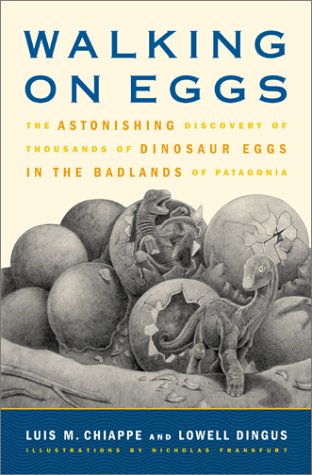
Walking on Eggs: The Astonishing Discovery of Thousands of Dinosaur Eggs in the Badlands of Patagonia
Image: amazon.com
Do you know?
- In 1997, Chiappe and his crew of 15 students and scientists led an expedition into the remote places of Patagonia and discovered the remains of a nesting site for a sauropod (a large, four-legged, thick-necked, vegetarian, semi-aquatic dinosaur).
- What they found were unhatched fossilized eggs.
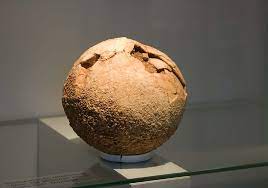
Close to 100 million years old dinosaur egg. Displayed at University of Zurich. Image: pitara.com
Listen and choose the correct answer to each of the following questions.
- When were the dinosaur eggs found?
- What didn't the scientists find?
- 1997
- 1917
- 2007
What didn't the scientists find?
- eggs
- skin
- early birds
Complete the text you are listening to by dragging the correct word to each blank.
Walking on Eggs
Scientists were in Argentina. They were in a . It was far away from cities and towns. It was 1997.
The scientists were early birds. They found something else. They did not expect to find it. What did they find? They found eggs! They found thousands of eggs! The scientists walked out on a . The plain was dry and . Not much grew there. They saw lots of rocks. The rocks were about the size of grapefruits.
Then the scientists looked closer. The rocks they were walking on were not rocks. They were dinosaur eggs! The scientists were very happy with the eggs. They found fossilized baby dinosaurs in the eggs. They found fossilized skin, too.
Read the text and answer the questions.
Walking on Eggs
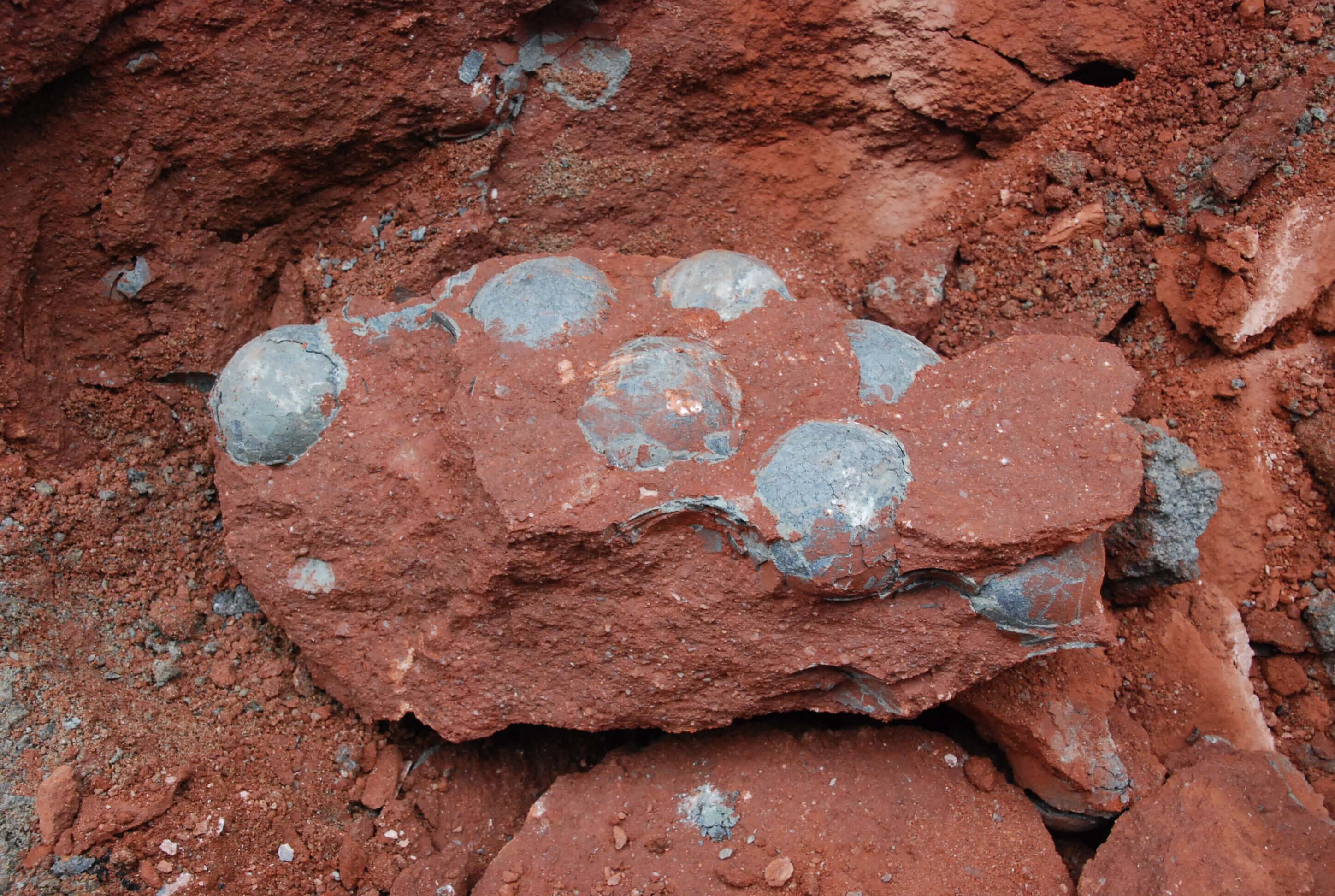
Image: Double Helix
Scientists were in Argentina. They were in a remote area. It was far away from cities and towns. It was 1997.
The scientists were looking for early birds. They found something else. They did not expect to find it. What did they find? They found eggs! They found thousands of dinosaur eggs! The scientists walked out on a plain. The plain was dry and barren. Not much grew there. They saw lots of rocks. The rocks were about the size of grapefruits.
Then the scientists looked closer. The rocks they were walking on were not rocks. They were dinosaur eggs! The scientists were very happy with the fossil eggs. They found fossilized baby dinosaurs in the eggs. They found fossilized skin, too.
Source: Daily Warm-ups Reading Grade 2
How did the scientists feel when they found the eggs?
- foolish
- unhappy
- surprised
- fossilized
- cannot be walked on.
- is covered with fossils.
- has lots of plants growing on it.
- has very few plants growing on it.
Why were the scientists very happy?
- They found some grapefruits.
- They found some rocks.
- They found some fossil eggs of early birds.
- They found some fossil eggs of baby dinosaurs.
Put the right word in each blank. The sentences are from the text.
- The scientists were very happy with the eggs.
- Scientists were in Argentina. They were in a .
- The plain was dry and .
- The scientists were early birds.
- The scientists walked out on a .
- They found thousands of eggs!
Put the right word in each blank. These are new sentences for words in the text.
- I’m Steve – have you seen him?
- We drove through a , rocky landscape.
- They live in a in Scotland.
- High mountains rise above the .
- They saw many pictures of in the museum.
- Several reptile were found in Montana.