The Ocean
10/10/2020 6:10:00 PM
Do you know?
- Over 70 percent of our planet’s oxygen is produced by the ocean.
- A large part of the planet exists beneath the ocean.
Let's explore more about the ocean!
FACT: Less than five percent of the planet’s oceans have been explored.
Listen and choose the correct answer to each of the following questions.
- How many oceans were mentioned in the passage?
- Which of the following causes the waves on the surface of the ocean?
How many oceans were mentioned in the audio?
- 3
- 4
- 5
Which of the following causes the waves on the surface of the ocean?
- The wind
- The salt
- A flow of water
Complete the text you are listening to by dragging the correct word to each blank.
Read and answer the following questions.
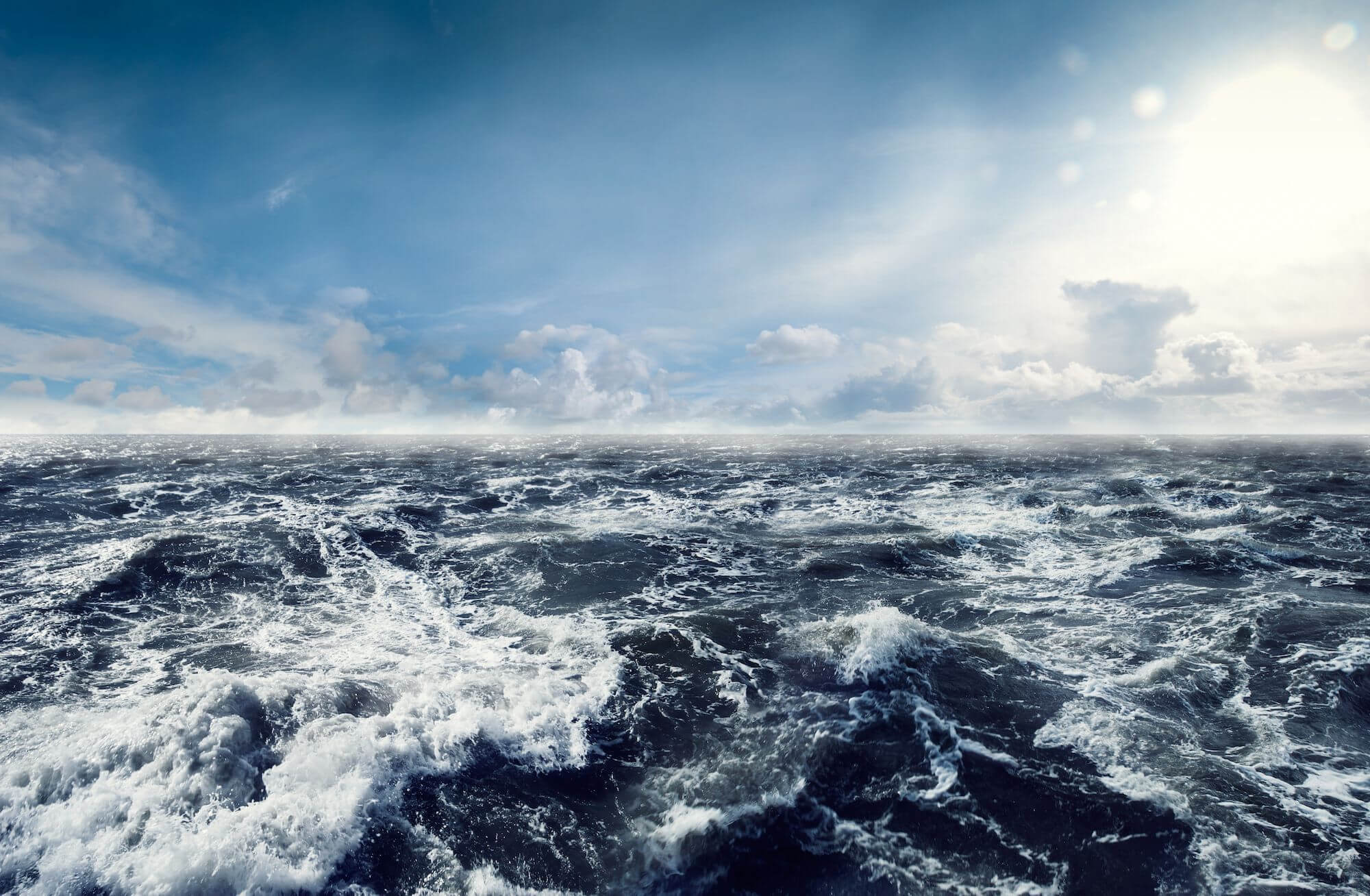
What would it be like to live in the ocean? Many sea animals have found this to be the perfect place to live. Oceans cover more than 75% of the Earth’s surface. This means that the ocean is the largest habitat on Earth.
There are four oceans. They are the Pacific, Indian, Atlantic, and Arctic Oceans. The four oceans all connect to each other. There are also many seas. Seas are smaller branches of oceans. Some examples of seas are the Caribbean Sea and the Mediterranean Sea.
Have you wondered why the ocean is salty? Rivers collect salt as they travel over rocks. The salt filters out into the seas and oceans. It dissolves in the ocean but doesn’t evaporate. This means that the salt just builds up over time.
Waves on the surface of the ocean are caused by the wind. The stronger the wind, the stronger the waves will be. Waves only move up and down. Waves do not represent a flow of water.
Source: Daily Warm-ups Reading Grade 4
- Salt is generated in the ocean.
- The salt lies at the bottom of the ocean.
- The ocean collects salt from rivers.
- The waves create the salt.
- build up
- encourage
- refuse to discuss
- dissipate
- It fights gravity.
- It emits a powerful force.
- It makes up 75% of the Earth’s surface.
- It is part of the Caribbean Sea.
- The wind makes the waves.
- The waves only move up and down.
- The waves keep things in the ocean moving.
Put the right word in each blank. The sentences are from the text.
- Oceans cover more than 75% of the Earth’s surface. This means that the ocean is the largest on Earth.
- The salt out into the seas and oceans.
- The salt dissolves in the ocean but doesn’t evaporate. This means that the salt just over time.
- Waves do not a of water.
Put the right word in each blank. These are new sentences for words in the text.
- With so many areas of woodland being cut down, a lot of wildlife is losing its natural .
- There was a large of melting snow down the mountain.
- Taking exercise will your strength.
- This contract 20% of the company's annual revenue.
- Light into my kitchen through the soft, green shade of the cherry tree.