The Maori of New Zealand
9/30/2022 5:20:00 PM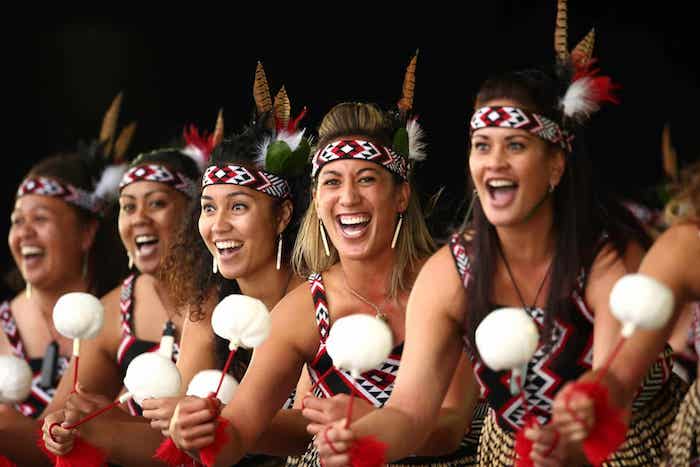
Do you know?
- The word Maori refers to the indigenous people of New Zealand and their language. The Maori make up 14 percent of the total population in New Zealand
- The Maori people are well known for their distinctive traditional full-body and facial tattooing.
Let's explore more in the following passage!
Let's learn some new words before you read the passage:
Listen and complete the passage.
| alive | competitions | ceremonies |
| yearly | traditions |
Polynesians live on islands in the Pacific Ocean. The Maori are Polynesians, and they live at the southern end of Polynesia in New Zealand. The Maori arrived in New Zealand from other Polynesian islands over a thousand years ago. They were the first people to live in New Zealand.
In the late 18th century, Europeans came to live in New Zealand. At that time, there were perhaps 250,000 Maori in New Zealand. Over the next 100 years, wars and diseases killed many Maori. By the end of the 19th century, there were only about 40,000 Maori left. During the 19th century, the Maori also lost much of their land to the Europeans. Many Maori were afraid that they might lose their and language, too. But this did not happen.
Today the Maori population is increasing. There are about 500,000 Maori in New Zealand. Most live like other New Zealanders. But they are keeping the Maori language and traditions . There are now Maori radio and television stations. Many schools teach in the Maori language. Nearly one-half of Maori language speakers are 25 years old or younger.
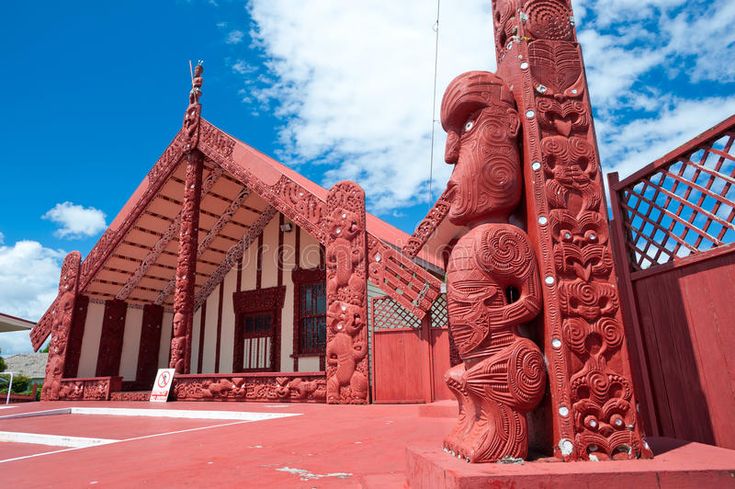
Maori culture is also alive and well. At the center of Maori culture is the "marae." This is a special place for and meetings. Today the number of marae in New Zealand is increasing. Many of the new marae are in the cities. Now people in the cities can meet and learn about their Maori traditions.
Today most New Zealand cities have Maori festivals. Among the festival, activities are competitions in speaking, dancing, and singing. Children practice for months. Then all the Maori in the area arrive to watch the and see who wins. Today the Maori live a comfortable, modern life. However, they are not losing their traditions, because they are passing them on to their children.
Read the passage and answer the questions.
The Maori of New Zealand
Polynesians live on islands in the Pacific Ocean. The Maori are Polynesians, and they live at the southern end of Polynesia in New Zealand. The Maori arrived in New Zealand from other Polynesian islands over a thousand years ago. They were the first people to live in New Zealand.
In the late 18th century, Europeans came to live in New Zealand. At that time, there were perhaps 250,000 Maori in New Zealand. Over the next 100 years, wars and diseases killed many Maori. By the end of the 19th century, there were only about 40,000 Maori left. During the 19th century, the Maori also lost much of their land to the Europeans. Many Maori were afraid that they might lose their traditions and language, too. But this did not happen.
Today the Maori population is increasing. There are about 500,000 Maori in New Zealand. Most live like other New Zealanders. But they are keeping the Maori language and traditions alive. There are now Maori radio and television stations. Many schools teach the Maori language. Nearly one-half of Maori language speakers are 25 years old or younger.
Maori culture is also alive and well. At the center of Maori culture is the "marae." This is a special place for ceremonies and meetings. Today the number of marae in New Zealand is increasing. Many of the new marae are in the cities. Now people in the cities can meet and learn about their Maori traditions.
Today most New Zealand cities have yearly Maori festivals. Among the festival, activities are competitions in speaking, dancing, and singing. Children practice for months. Then all the Maori in the area arrive to watch the competitions and see who wins. Today the Maori live a comfortable, modern life. However, they are not losing their traditions, because they are passing them on to their children.
Source: Facts and Figures
How many Maori are there in New Zealand nowadays?
- about 250,000
- approximately 210,000
- around 500,000
What do you NOT know from the passage?
- The traditional costume of the Maori
- The tragedies experienced by the Maori
- The role of marea in Maori culture
From reading the passage, you know that _____.
- the decline in the Maori population in the past has influenced the history of New Zealand
- the language, traditions and culture of the Maori are preserved through education and entertainment forms
- New Zealand cities where Maori festivals are held annually are more developing than other areas
What is true according to the the passage?
- The Maori language is a compulsory subject taught in New Zealand schools.
- The Maori are the first inhabitants of New Zealand.
- The Maori gave their land to the Europeans.
The writer wrote this passage to ____.
- compare different groups of people in New Zealand
- illustrate the daily life of a group of the Maori in New Zealand
- describe how the Maori keep their traditions and language alive
Build your vocabulary by learning these intensive phrases/idioms
The late Earl _____ much of his fortune to his daughter.
- passed over
- passed off
- passed away
- passed on
A: "I say we stop here and get some ice cream."
B: "You and I are ______."
- speaking out of turn
- speaking for ourselves
- speaking the same language
- speaking my mind
Choose the word(s) CLOSEST in meaning to the underlined word(s).
The manager is sending Mark to Iceland to spy out the land. He wants to know whether we can do business there.
- grasp an opportunity
- set up a new office
- collect information
- sign a contract
Complete the second sentence so that it has a similar meaning to the first one, using the word in a bracket. You must use between THREE and FIVE words, including the word given. Do not change the word given.
Portillo is getting popular at the moment and will get more public attention. (FLAVOUR)
=> Portillo is becoming and will increasingly find himself in the public eye.