Insects
12/6/2022 10:45:00 AM
Do you know?
- Insects are invertebrates, which means that they have a hard exoskeleton or shell on the outside of their body.
- As a group, insects dominate the planet. They outnumber all other terrestrial animals combined.
Let's explore more in the following passage!
Let's learn some new words before you read the passage:
Listen and complete the passage.
| alongside | exoskeleton | jointed |
| harmless | compound |
Insects are animals that do not have backbones. They have a hard , three body parts, two antennae, three pairs of legs, and eyes. Some insects have wings. Insects hatch from eggs. They also breathe through special holes called spiracles.
There are millions of different types of insects. Insects are the largest group of animals. Scientists say that insects have been around since long before the dinosaurs. Insects are found all over the world. They live on all continents, in backyards, and even in the walls of homes. Insects live right humans.
Many people are afraid of insects, but not all insects are harmful. Insects may look scary to humans, but that does not mean they are harmful. For example, daddy long-leg spiders, June bugs, dragonflies, moths, and butterflies are all insects.
There are some insects that are harmful to humans. These insects include centipedes, ticks, lice, bees, hornets, and mosquitoes.
Read and answer the following questions.
Insects
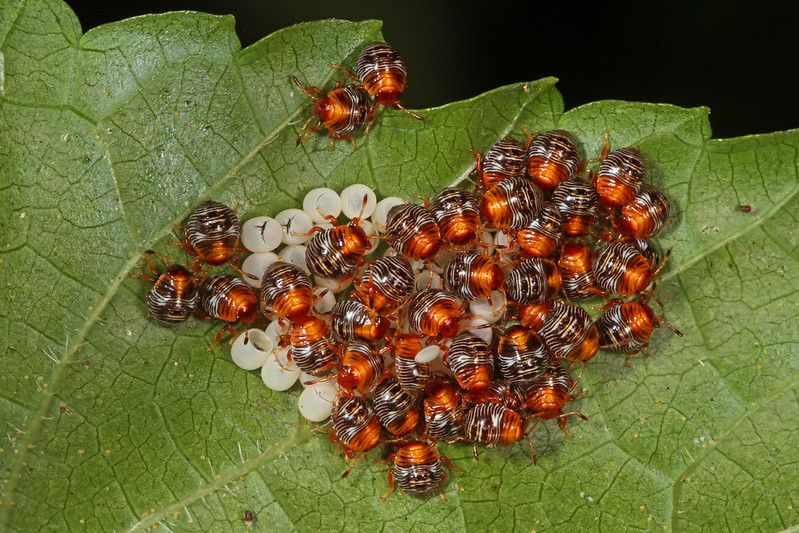
Insects are animals that do not have backbones. They have a hard exoskeleton, three body parts, two antennae, three pairs of jointed legs, and compound eyes. Some insects have wings. Insects hatch from eggs. They also breathe through special holes called spiracles.
There are millions of different types of insects. Insects are the largest group of animals. Scientists say that insects have been around since long before the dinosaurs. Insects are found all over the world. They live on all continents, in backyards, and even in the walls of homes. Insects live right alongside humans.
Many people are afraid of insects, but not all insects are harmful. Insects may look scary to humans, but that does not mean they are harmful. For example, daddy long-leg spiders, June bugs, dragonflies, moths, and butterflies are all harmless insects.
There are some insects that are harmful to humans. These insects include centipedes, ticks, lice, bees, hornets, and mosquitoes.
Source: Daily Warm-ups Reading Grade 4
Why do humans fear insects?
- Because they are dirty.
- Because they are all dangerous to humans.
- Because they look scary.
- Because they live in the walls of homes.
What is NOT mentioned in the text?
- the body structure of insects
- some harmless and harmful insects
- first aid for insect bites
- the function of spiracles in insects
What can you infer from the text?
- Hornets are considered the most dangerous insects in the world.
- People can distinguish harmless insects by their appearance.
- More insects are found in the wild than in human homes.
- There are some insects that are flightless.
From reading the text, what do you know about insects?
- Their compound eyes help them see better in the dark.
- There is no evidence that they can live in cold regions.
- They are said to have appeared earlier than dinosaurs.
- Harmless insects are outnumbered by harmful insects.
This text is most likely to appear on _____.
- a thesis on the evolution of animals
- a biologist's note of insect behavior
- a website for children to explore nature
- a poster showing ways to repel insects
Build your vocabulary by learning these intensive phrases/idioms
Complete the second sentence, using the word given so that it has a similar meaning to the first sentence. Do NOT change the word given in brackets in any way.
Her boss supported her when he recognized her hidden ability. (WING)
=> Her boss after realising her potential.
Choose the word(s) OPPOSITE in meaning to the underlined word(s).
Her hypothesis is really off the wall, but the facts seem to support it.
- unusual
- interesting
- valuable
- common
Choose the word(s) CLOSEST in meaning to the underlined word(s).
He could always find fault with something, either in my writing or in my personality.
- examine
- criticize
- invest
- improve
We walked through the valley, _____ our eyes on the beauty all around us.
- taking
- rolling
- feasting
- winking