The Violin
1/2/2022 1:27:03 PM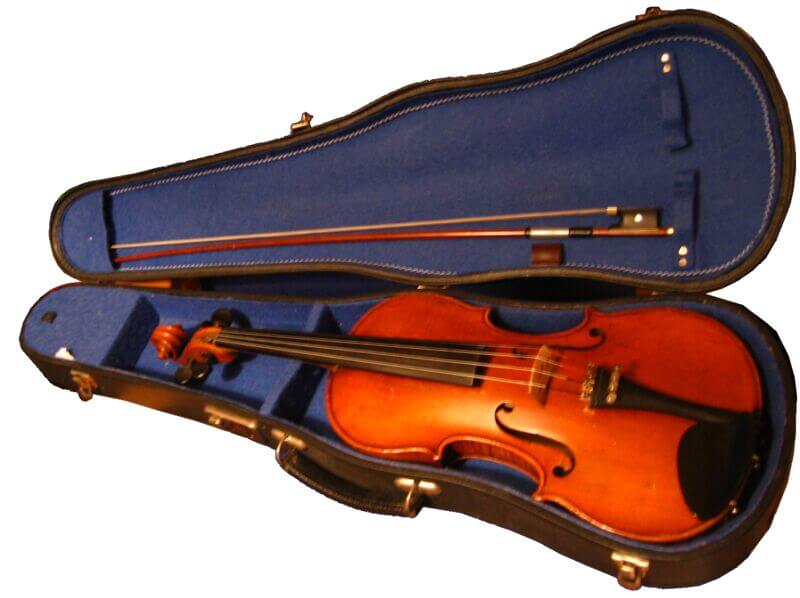
Do you know?
- The modern violin has been around for roughly 500 years. The word violin comes from the Medieval Latin word "vitula", meaning stringed instrument
- Violins are very complex. Over 70 different pieces of wood are put together to form the modern violin. Violin bows typically contain 150 to 200 hairs.
Let's explore more about this musical instrument!
Let's learn some new words before you read the passage:
Listen to the passage The Violin and complete the sentences by dragging the correct word to each blank.
In the 1500s, a man named Andrea Amati wanted to create an instrument. He started by making an shape. He then attached four strings to its front. When the instrument was all put together, it made beautiful music. This instrument was called the violin.
Amati made a mold of the violin. That way he could make many violins for people to play. People began to learn how to play the instrument. They were called . A violinist rested his chin on the chin rest. Then he held the neck of the violin. He a bow across the strings. The bow was made from wood and horsehair. The horsehair made the vibrate. This caused the violin to make beautiful music. The violin was widely popular because of its beautiful music. Kings and queens liked it. Poor people liked it, too.
The violin became part of an family. Its cousins were the viola and the cello. The violin was the soprano. This is because it had the highest sound. It could play different types of music. A plucked violin made a happy sound. Played softly, it sounded sad. A loud violin could sound angry. Today, the violin still sounds the same. It makes beautiful music.
Read and answer the following questions.
The Violin
Written by Stacy Zeiger
In the 1500s, a man named Andrea Amati wanted to create an instrument. He started by making an hourglass shape. He then attached four strings to its front. When the instrument was all put together, it made beautiful music. This instrument was called the violin.
Amati made a mold of the violin. That way he could make many violins for people to play. People began to learn how to play the instrument. They were called violinists. A violinist rested his chin on the chin rest. Then he held the neck of the violin. He dragged a bow across the strings. The bow was made from wood and horsehair. The horsehair made the strings vibrate. This caused the violin to make beautiful music. The violin was widely popular because of its beautiful music. Kings and queens liked it. Poor people liked it, too.
The violin became part of an instrument family. Its cousins were the viola and the cello. The violin was the soprano. This is because it had the highest sound. It could play different types of music. A plucked violin made a happy sound. Played softly, it sounded sad. A loud violin could sound angry. Today, the violin still sounds the same. It makes beautiful music.
Source: Mobymax Reading Stories G2.7-2.9
How is the violin played?
- A metal rod is dragged across the strings.
- A bow is dragged across the strings.
- People drum on the top part of the violin.
- Air is blown into a hole at the top.
Which of the following instruments is in the same family as the violin?
- cello
- trumpet
- flute
- oboe
What does "vibrate" mean?
- move back and forth very quickly
- stop something from moving
- become more or less tight
- break with a loud snapping sound
What is the main idea of the first paragraph?
- A violin has four strings attached to the front.
- Andrea Amati made the violin by accident.
- The violin is shaped like an hourglass.
- Andrea Amati made the first violin in the 1500s.
What is the purpose of the author in writing this article?
- to introduce a type of musical instrument
- to encourage readers to play violin and cello
- to teach readers how to play a musical instrument
- to introduce different types of musical instrument
Build your vocabulary by learning these intensive phrases/idioms
Mary: Here's your paycheck for this month.
James: Ah, that's _____!
- music to my ears
- on the ropes
- a piece of cake
Complete the second sentence using the word given so that it has the same meaning to the first.
My son makes much of eating healthy food. (IMPORTANCE)
Fred: I really can't take much more of this.
Jane: .....! Things will get better.
- So far so good.
- Better late than never.
- Keep your chin up.
Choose the word(s) OPPOSITE in meaning to the underlined word(s).
It took several hours to put the puzzle together.
- separate the puzzle
- destroy the puzzle
- discard the puzzle