To Build a Better Superhero, Use Tropes
12/22/2022 8:20:10 AM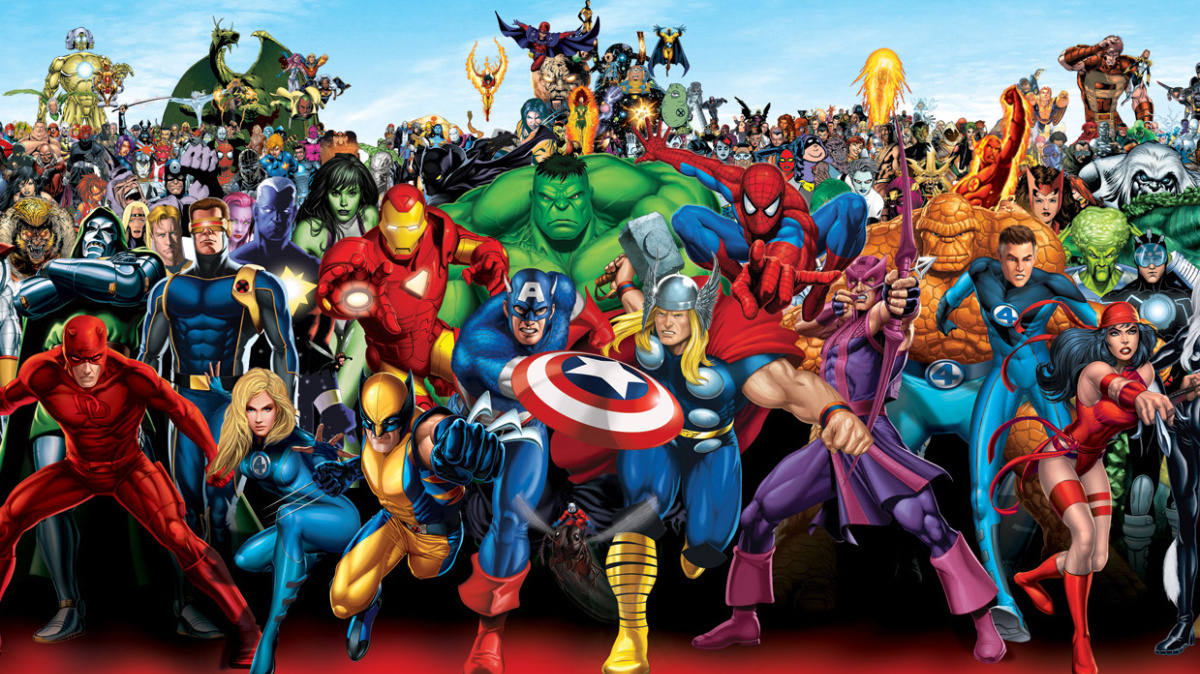
Do you know?
- Like any genre, superhero comics are built on a foundation of tropes, clichés and stereotypes.
- A trope is something such as an idea, phrase, or image that is often used in a particular artist's work, in a particular type of art, in the media, etc.
Let's explore more in the following passage!
Let's learn some new words before you read the passage:
Listen and complete the passage.
| mutation | vividly | predictable | sympathy |
| criminals | orphaned | captured |
When comic book writers invent a new superhero, they will often use a handful of common tropes. A trope is a commonly occurring event, something that happens over and over again. How many times have you seen a movie where the bad guy has the hero, only to have the hero escape at the last moment? That's a trope!
A writer will probably use tropes other writers have used. For example, the writer will want readers to feel for the hero. The author might write about a superhero who doesn't have parents. Maybe the parents have been killed by . Maybe they died when the hero's home planet blew up. The trope has been used many times, so the author knows that readers will feel sympathy for the hero. The writer must explain how the superhero received his powers. Was the superhero born with superpowers? Did a mentor pass the powers on to him? Does he have some sort of ? These are all tropes writers have used in superhero stories. The writer also has to imagine the superhero's world. Many superheroes live in cities. Some of these cities are beautiful and modern, while others are frightening and dirty. These details about the setting are very important to readers. They help the reader imagine the superhero’s world more .
Does this sound easy? A writer's job is actually difficult. People don't want to read about a superhero whose superpower is using paper clips. They don't want to read about a hero who lives in a small town where nothing ever happens. Also, if the writer uses too many tropes, the readers may decide the story is boring and . They need to use just the right tropes to be successful! The best writers have the most important superpower of all. They can write a story with the tropes people expect to see, and they can also come up with enough surprises to make the tropes exciting!
Read and answer the following questions.
To Build a Better Superhero, Use Tropes
When comic book writers invent a new superhero, they will often use a handful of common tropes. A trope is a commonly occurring event, something that happens over and over again. How many times have you seen a movie where the bad guy has captured the hero, only to have the hero escape at the last moment? That's a trope!
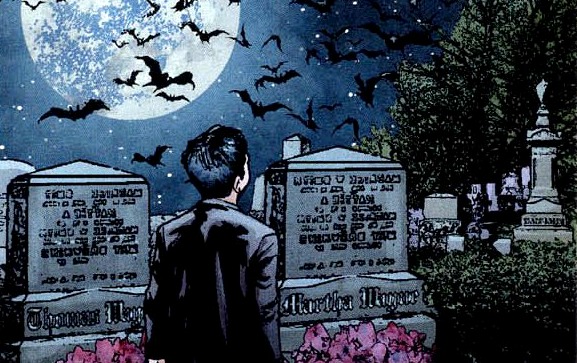
A writer will probably use tropes other writers have used. For example, the writer will want readers to feel sympathy for the hero. The author might write about a superhero who doesn't have parents. Maybe the parents have been killed by criminals. Maybe they died when the hero's home planet blew up. The trope has been used many times, so the author knows that readers will feel sympathy for the orphaned hero.
The writer must explain how the superhero received his powers. Was the superhero born with superpowers? Did a mentor pass the powers on to him? Does he have some sort of mutation? These are all tropes writers have used in superhero stories. The writer also has to imagine the superhero's world. Many superheroes live in cities. Some of these cities are beautiful and modern, while others are frightening and dirty. These details about the setting are very important to readers. They help the reader imagine the superhero’s world more vividly.
Does this sound easy? A writer's job is actually difficult. People don't want to read about a superhero whose superpower is using paper clips. They don't want to read about a hero who lives in a small town where nothing ever happens. Also, if the writer uses too many tropes, the readers may decide the story is boring and predictable. They need to use just the right tropes to be successful! The best writers have the most important superpower of all. They can write a story with the tropes people expect to see, and they can also come up with enough surprises to make the tropes exciting!
Source: Mobymax Reading Stories G3.4-3.6
In the text, a writer is expected to do all of the following EXCEPT _____.
- to explain how the superhero got his superpowers
- to create a world where the superhero exists
- to predict readers' opinions about the superhero
Why does a writer create a hero with a tragic backstory?
- to encourage the reader to feel sympathy for the character
- to highlight typical features of a superhero and his life
- to make the character a dark and brooding person
According to the text, a good writer is someone who can _____.
- use as many tropes as possible to make the story more thrilling
- write a story without using any tropes since readers get bored with tropes
- interleave tropes and surprises when appropriate to keep the tropes interesting
What can you conclude from the text?
- Moral values in comic books are outweighed by common tropes.
- The reader is more likely to be into a story with an unpredictable plot.
- Tropes are mainly responsible for the success of a comic book.
The author wrote this text to _____.
- explain a technique of writers to create superheroes
- instruct readers to create their own superhero stories
- compare different tropes used in famous comic books
Build your vocabulary by learning these intensive phrases/idioms
Choose the word(s) CLOSEST in meaning to the underlined word(s).
The car blew up when flames reached its fuel tank.
- exploded
- sank
- collapsed
- crashed
Complete the second sentence so that it has a similar meaning to the first one, using the word in a bracket. You must use between THREE and FIVE words, including the word given. Do not change the word given.
It turned out that his calculations were incorrect and we only realize we should have verified them until we find the problem. (WISE)
=> We should have insisted on checking his calculations, but it's easy to be .