To the moon
8/4/2022 10:36:56 AM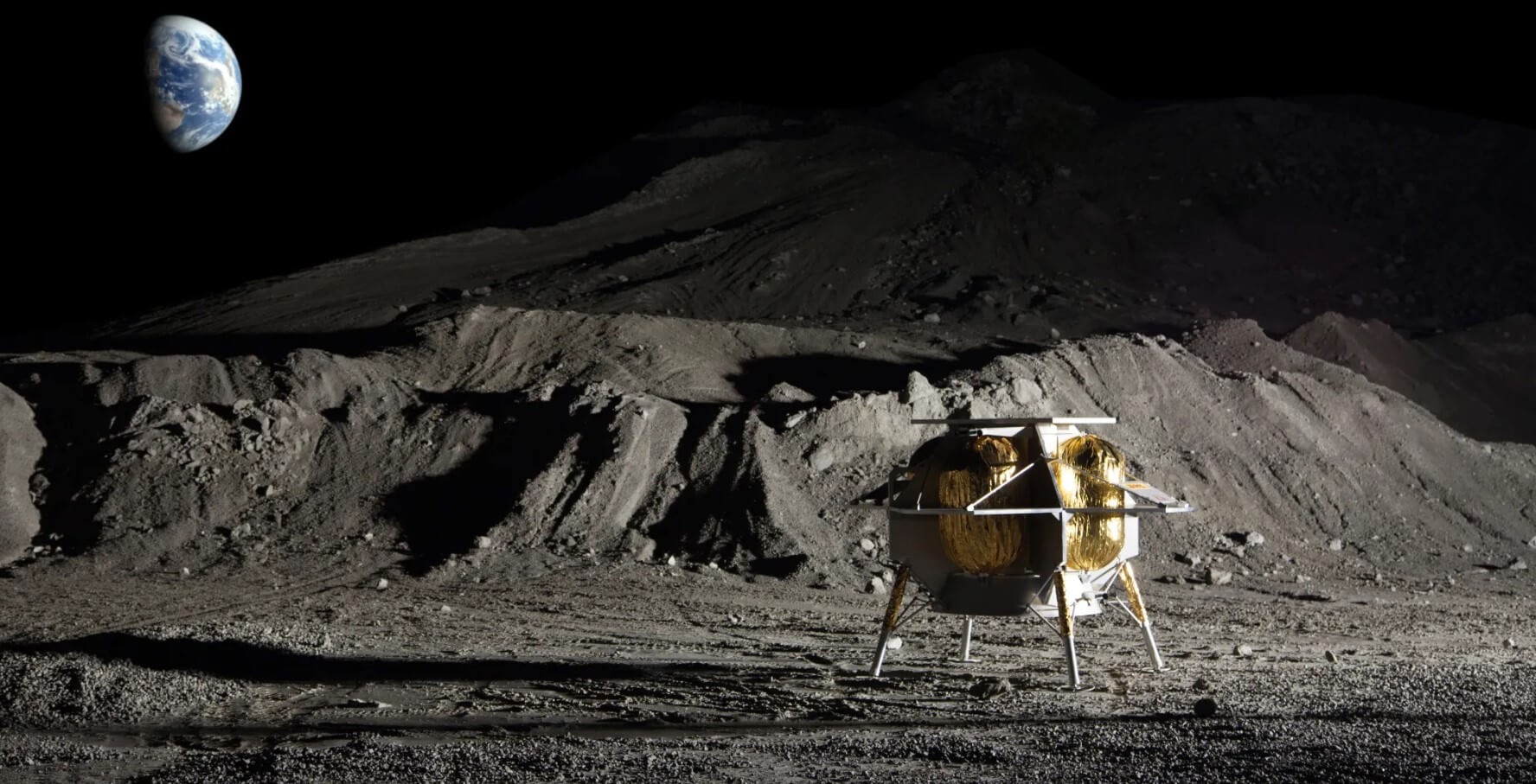
Do you know?
- At its closest approach, the Moon reaches 225,623 miles and at its furthest, it is 252,088 miles away from the Earth.
- Neil Armstrong was a NASA astronaut and aeronautical engineer. He famously became the first person to walk on the moon on July 20, 1969 during Apollo 11.
Let's explore more about this event!
Let's learn some new words before you read the passage:
Listen and complete the passage.
| blasted | plaque | mission |
| rocket | astronauts | orbit |
In 1969, three men in a small spaceship made history with a trip the world will never forget. The three men were Neil Armstrong, Edwin “Buzz” Aldrin, and Michael Collins. The was called Apollo 11. Their destination was the moon.
Thousands of people worked to send those men to the moon. The project took many years. The project was called the Apollo Program. The first Apollo mission, called Apollo 1, was a disaster. The spacecraft caught fire on the ground. But the project continued.
During later missions, the practiced flying their spacecraft. They also practiced the tasks they needed to know so they could fly to the moon and land on it. On the Apollo 8 mission, the astronauts flew around the moon. They were nearly ready for the first moon landing.
The that carried the astronauts and their spacecraft into around the moon was called the Saturn 5 rocket. It through space at 25,000 miles an hour. Even at that speed, it took four days to get to the moon. The Apollo 11 mission used a special craft designed only for landing on the moon. It was called the “Eagle.” The Eagle landed on the moon’s surface on July 20, 1969.
Only two astronauts walked on the moon that day. Neil Armstrong was the first person to step onto the moon. Edwin “Buzz” Aldrin followed him. The astronauts brought cameras with them, and the whole world watched the landing on TV. Michael Collins stayed in the spacecraft and circled around the moon. It was his job to look after the spacecraft that would take them home. He had to make sure nothing happened to it!
Today, the words Neil Armstrong spoke when he stepped onto the moon are world-famous. He said, “That’s one small step for man, one giant leap for mankind.” The dream of going to the moon had come true.
The astronauts performed many experiments while they were on the moon. They collected rock samples and took pictures of the area around their spacecraft. The astronauts left an American flag and a plaque where they had landed. The has the words “We came in peace for all mankind” printed on it. The flag and the plaque are still there. Someday moon travel may be more common. If that happens, people might visit the site of the first moon landing. They might have their pictures taken next to the flag and plaque.
Read and answer the following questions.
To the Moon
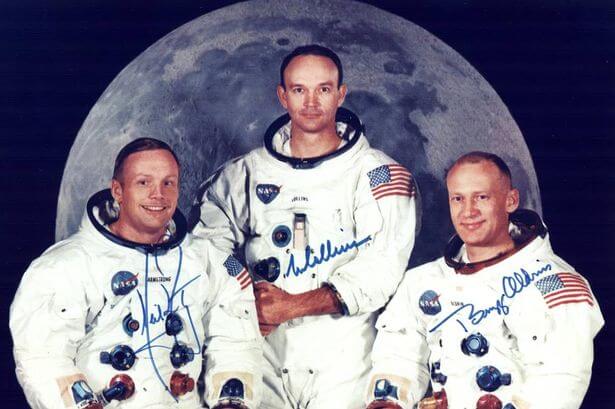
In 1969, three men in a small spaceship made history with a trip the world will never forget. The three men were Neil Armstrong, Edwin “Buzz” Aldrin, and Michael Collins. The mission was called Apollo 11. Their destination was the moon.
Thousands of people worked to send those men to the moon. The project took many years. The project was called the Apollo Program. The first Apollo mission, called Apollo 1, was a disaster. The spacecraft caught fire on the ground. But the project continued.
During later missions, the astronauts practiced flying their spacecraft. They also practiced the tasks they needed to know so they could fly to the moon and land on it. On the Apollo 8 mission, the astronauts flew around the moon. They were nearly ready for the first moon landing.
The rocket that carried the astronauts and their spacecraft into orbit around the moon was called the Saturn 5 rocket. It blasted through space at 25,000 miles an hour. Even at that speed, it took four days to get to the moon. The Apollo 11 mission used a special craft designed only for landing on the moon. It was called the “Eagle.” The Eagle landed on the moon’s surface on July 20, 1969.
Only two astronauts walked on the moon that day. Neil Armstrong was the first person to step onto the moon. Edwin “Buzz” Aldrin followed him. The astronauts brought cameras with them, and the whole world watched the landing on TV. Michael Collins stayed in the spacecraft and circled around the moon. It was his job to look after the spacecraft that would take them home. He had to make sure nothing happened to it!
Today, the words Neil Armstrong spoke when he stepped onto the moon are world-famous. He said, “That’s one small step for man, one giant leap for mankind.” The dream of going to the moon had come true.
The astronauts performed many experiments while they were on the moon. They collected rock samples and took pictures of the area around their spacecraft. The astronauts left an American flag and a plaque where they had landed. The plaque has the words “We came in peace for all mankind” printed on it. The flag and the plaque are still there. Someday moon travel may be more common. If that happens, people might visit the site of the first moon landing. They might have their pictures taken next to the flag and plaque.
Source: Reading Comprehension Grade 3
What can you infer about "The Eagle"?
- It flew to the moon on its own on July 20, 1969.
- It touched down on the moon's surface after a four-day journey.
- It traveled through space at 25,000 miles an hour.
- It was a special vehicle employed for the Apollo missions to land on the moon.
How many astronauts set their foot on the moon on July 20, 1969?
- one
- two
- three
- four
From the last paragraph, you can know that _____.
- current orbital spaceflights became more widespread
- three astronauts left some American objects on the moon
- a wide variety of scientific tests were conducted on the moon
- the astronauts solely took images of their spacecraft on the moon
What is NOT true about Michael Collins?
- He kept flying around while his companions explored the areas around the moon.
- He was one of the three men who was carried to the moon by the Saturn 5 rocket.
- He broadcasted what Neil Armstrong, Edwin “Buzz” Aldrin did on the moon.
- He was in charge of protecting the spacecraft that would bring them back.
The lunar orbiter mission in which the astronauts failed to launch the spacecraft was _____.
- Apollo 1
- Apollo 11
- Apollo 3
- Apollo 8
What did the setence “That’s one small step for man, one giant leap for mankind.” mean?
- People still had a long step to reach their dream.
- Walking on the moon was only a modest step for mankind.
- People had achieved a higher level in discovering the universe.
- People were very small compared to the universe.
Build your vocabulary by learning these intensive phrases/idioms.
Complete the second sentence so that it has a similar meaning to the first one, using the word in a bracket. You must use between THREE and FIVE words, including the word given. Do not change the word given.
This enterprise has achieved its desire to expand the market thanks to upgrading its technology. (COME)
=> Thanks to upgrading technology, the enterprise's desire to expand the market .
If you have an intention to _____ pets, you have to make sure to provide for their basic demand.
- look through
- look up
- look ahead
- look after
Choose the word(s) CLOSEST in meaning to the underlined words.
Jane is trying to get A+ in the upcoming exam. I think she is doing an unthinkable thing but I still hope she will be successful.
- asking for the moon
- being over the moon
- promising the moon
- barking at the moon
A: "I am really happy right now. I finally see the fortune in my life."
B: "Congratulation. You really _____ this time. That job is everyone's dream."
- get your feet wet
- rush off your feet
- land on your feet
- set foot in